The Azure File Sync Service allows for the synchronization of on-premise file servers with Azure file shares, supported by Azure storage accounts. It can be used to transition between on-premise and cloud backup solutions, as well as, disaster recovery. The process to use Azure File Sync consists of three steps: configure the service in Microsoft Azure, install the agents, and configure the replication.
Read: How to Secure Azure Storage Accounts
How to Create an Azure Storage Account
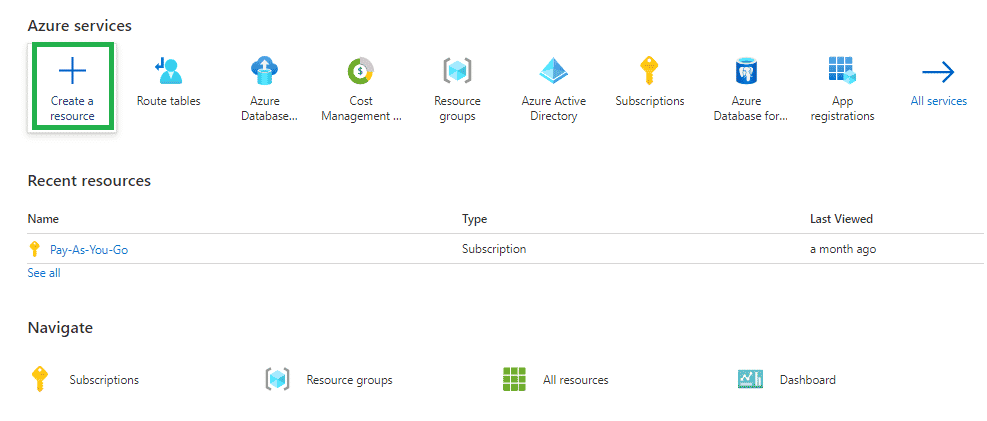
To begin, open the Azure Portal, then click +Create a resource on the New menu.
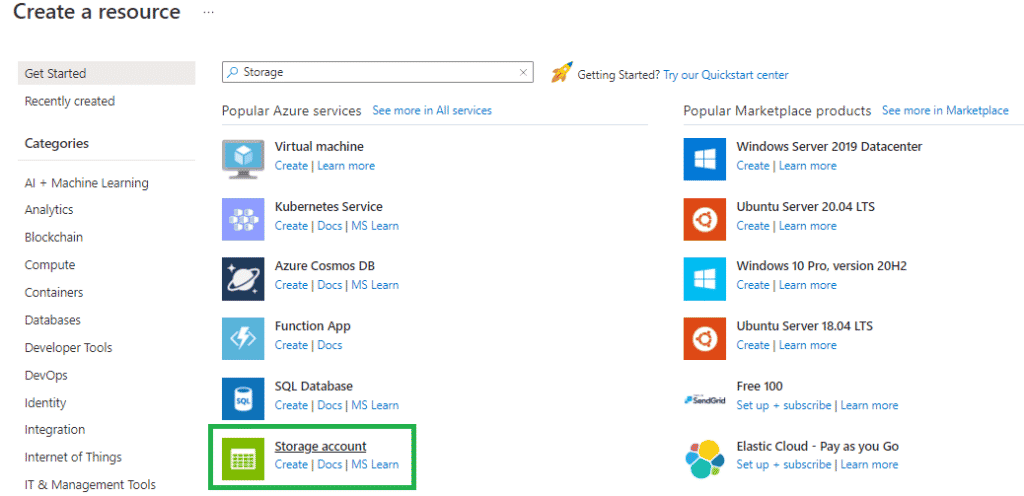
Next, click Storage and then choose Storage account – blob, file, table, queue.
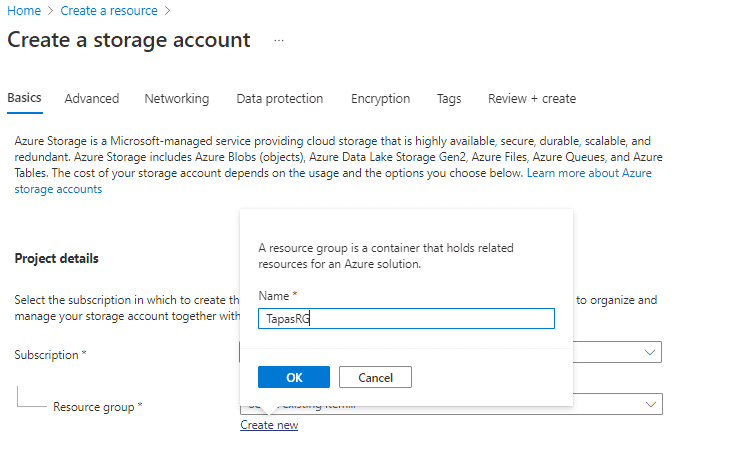
On the Create Storage Account page, select your Subscription and Resource group. Create a new resource group if you do not have an existing one.
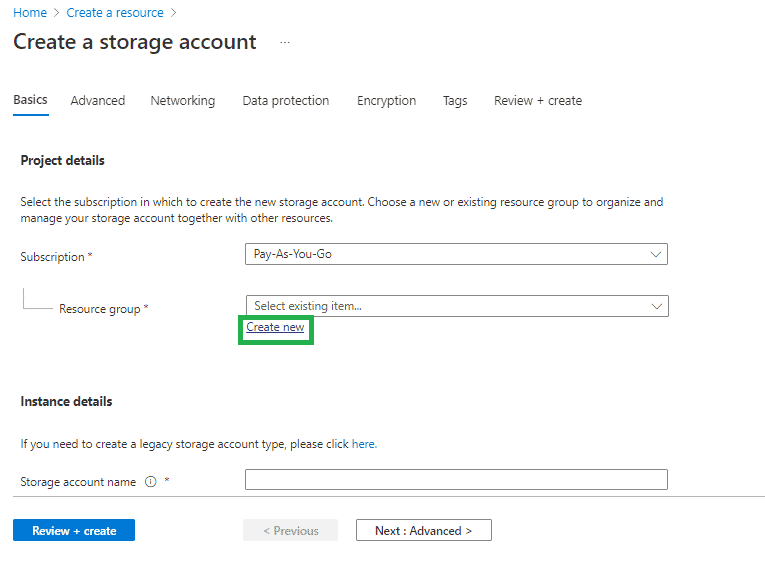
Enter the new Resource Group name and click Ok.
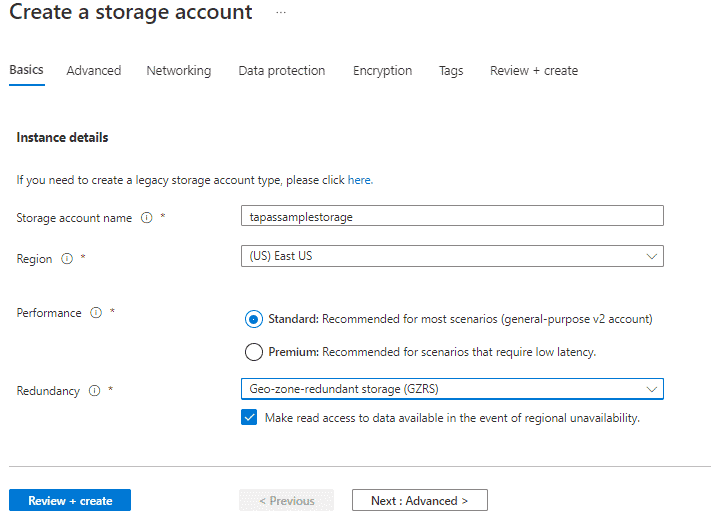
Next, in the Instance details, enter the Storage Account Name, select Region, Performance, and Redundancy options. After entering these details, click Review + Create.
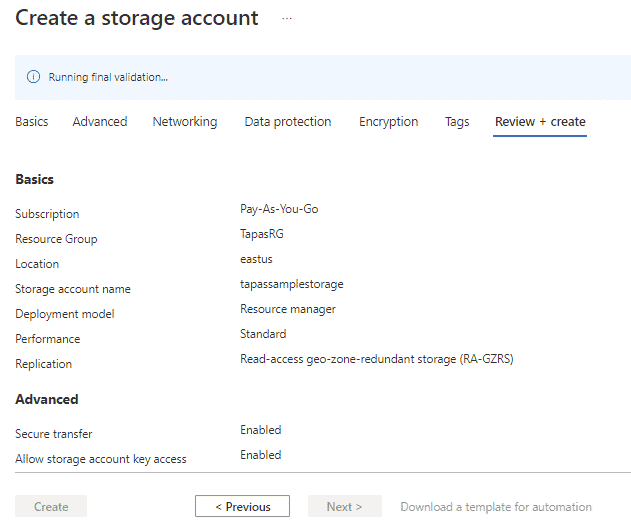
Once all of the validation is passed, click the Create button.
Wait for the Resource Deployment to complete.
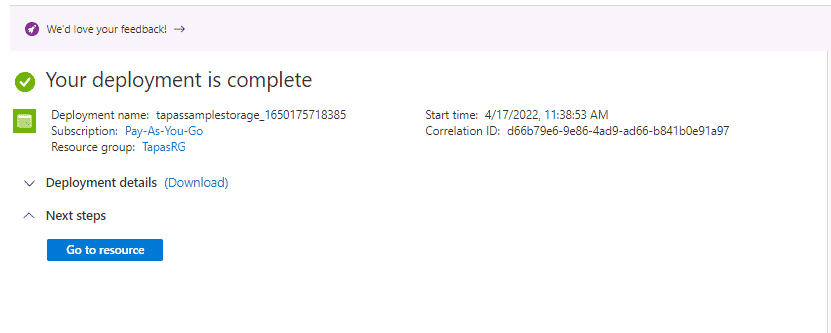
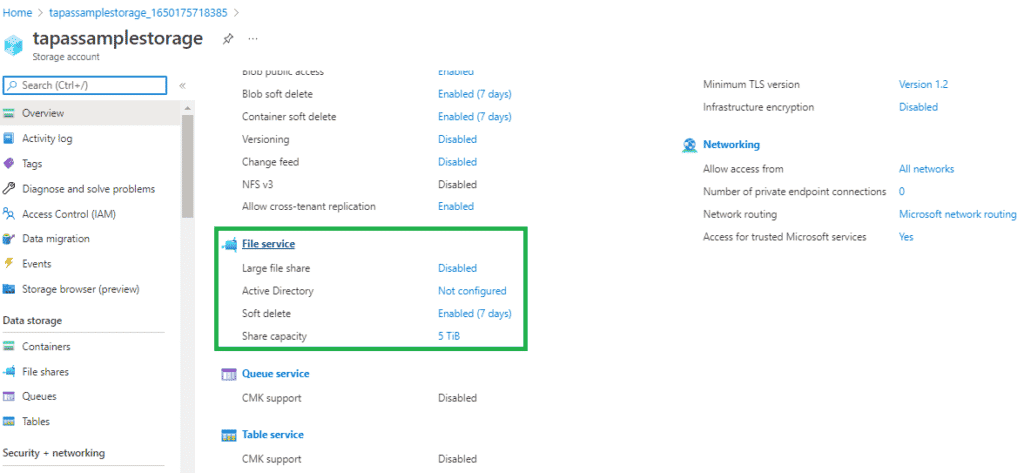
After successfully creating the Azure Storage Account, open it. Click Files under the Service.
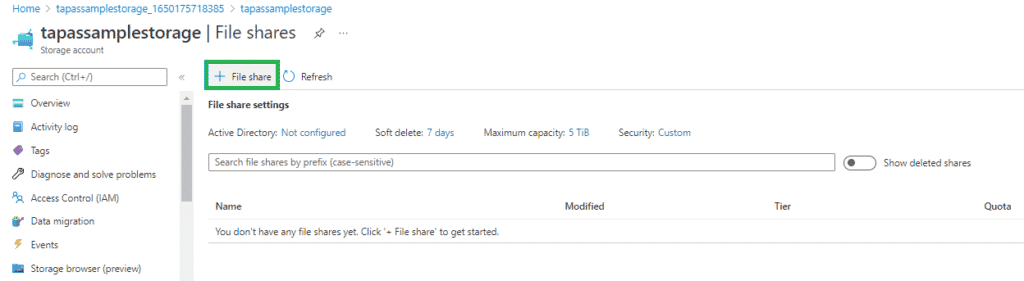
Next, you need to create a file share. To do so, click the + File Share link.
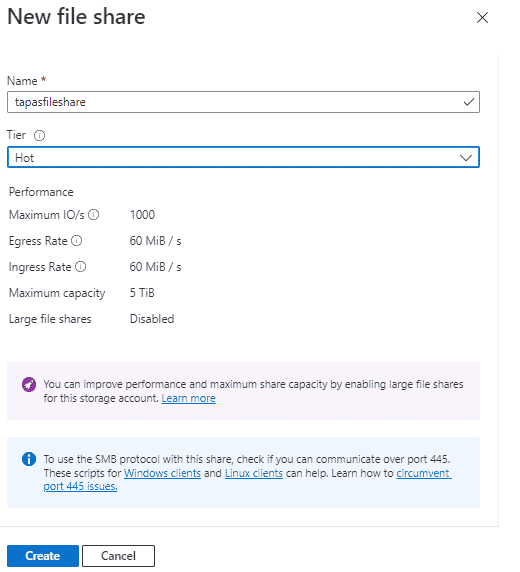
Enter the name for the File Share and select Tier. Then, to finish, click Create.
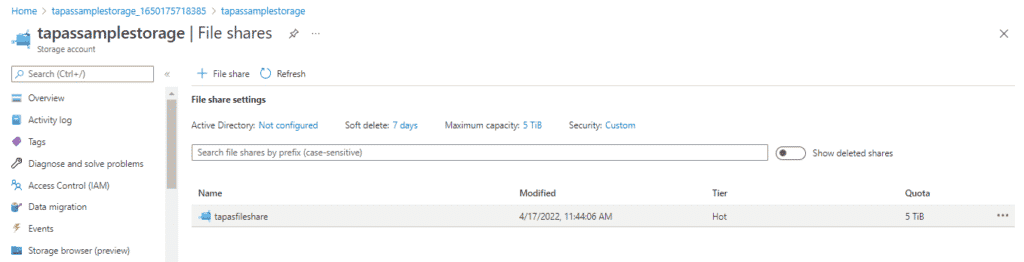
The File Share will now be created.
Read: Setting Up Budgets and Configuring Alerts in Microsoft Azure
How to Create an Azure File Sync Service
To create an Azure File Sync Service, open the Azure Portal and search for Azure File Sync.
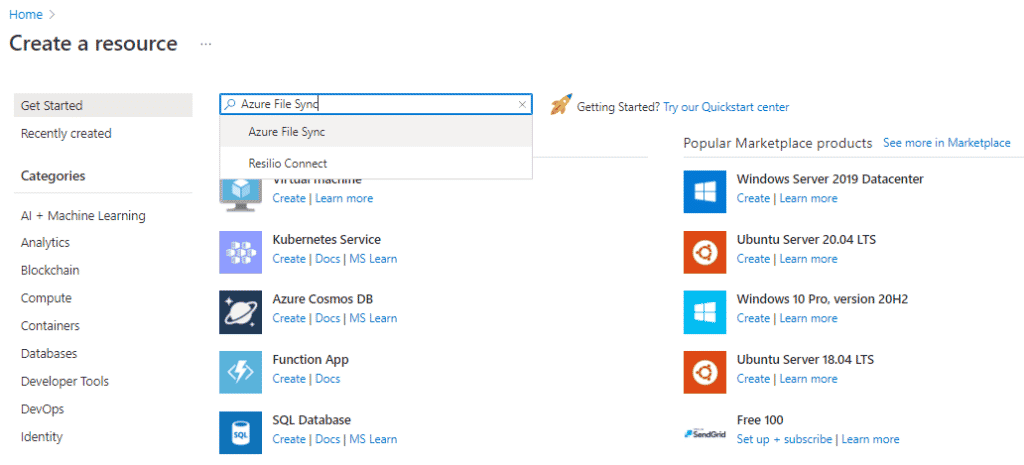
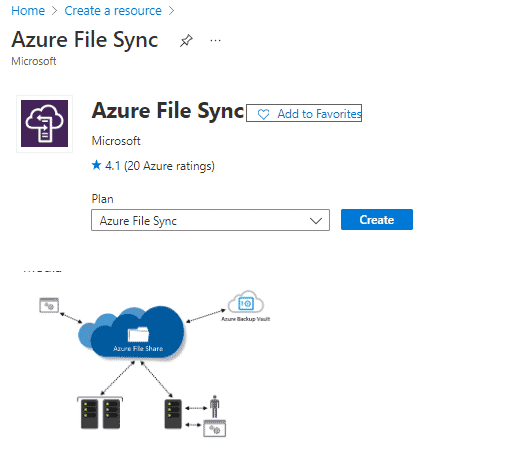
Click Azure File Sync. Once the screen appears, click the Create button to deploy the File Sync service.
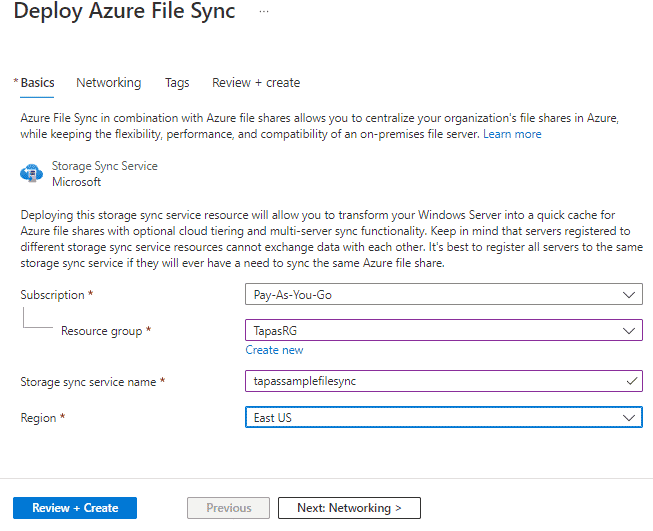
In the Deploy Storage Sync screen, you need to enter the Name and select the Subscription, Resource Group, and Location. After selecting these, click Review + Create.
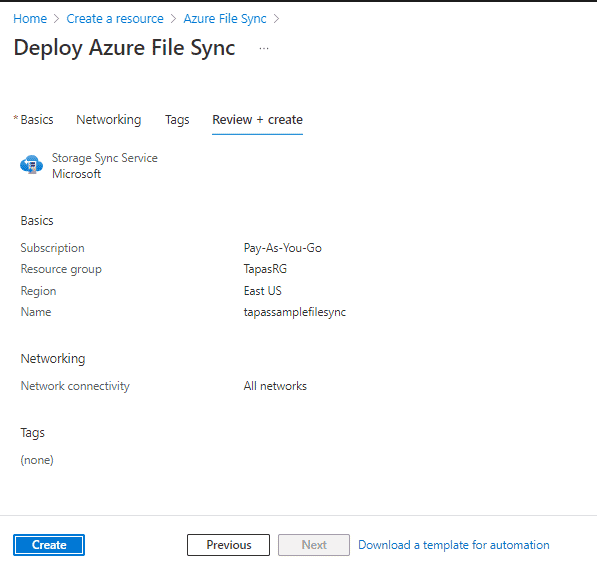
Next, review all of the details you entered and choose Create.
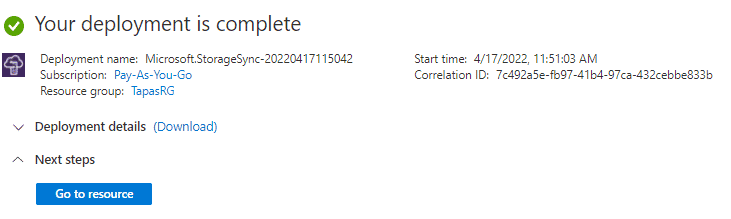
Wait for the File Sync Deployment to complete.
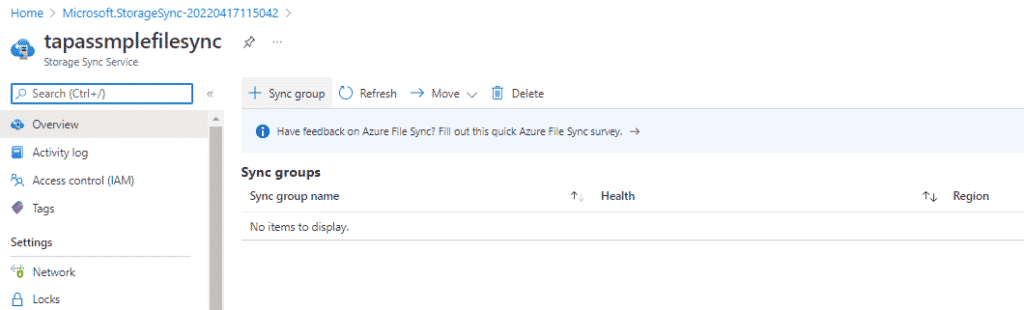
After creating the File Sync Service, you need to create a Sync Group. To do so, open the LocalSync and then click + Sync Group.
Next, on the Sync Group, enter the Sync Group Name and select a Storage Account by clicking Select Storage Account and choosing the Storage Account that you created earlier.
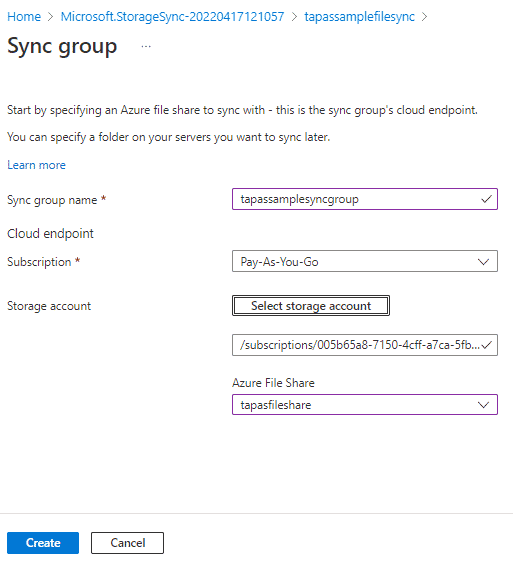
After selecting your Storage Account, you need to find the File Share Name. Select File Share and click the Create button.
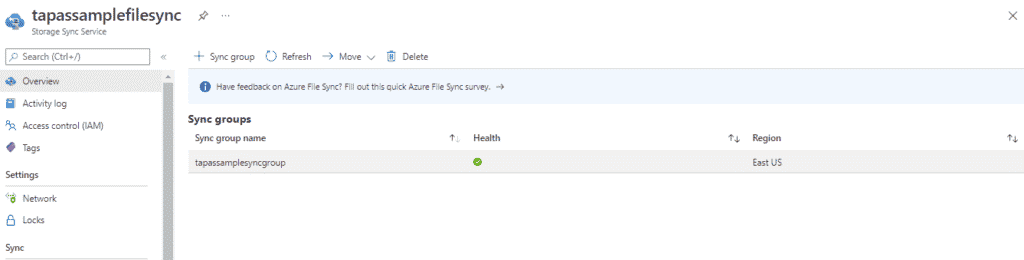
Next, you need to create a server endpoint for the Sync Group you created. Before creating a server endpoint, however, we need to set up our server. For that, we need to install and configure Storage Sync Agent Setup.
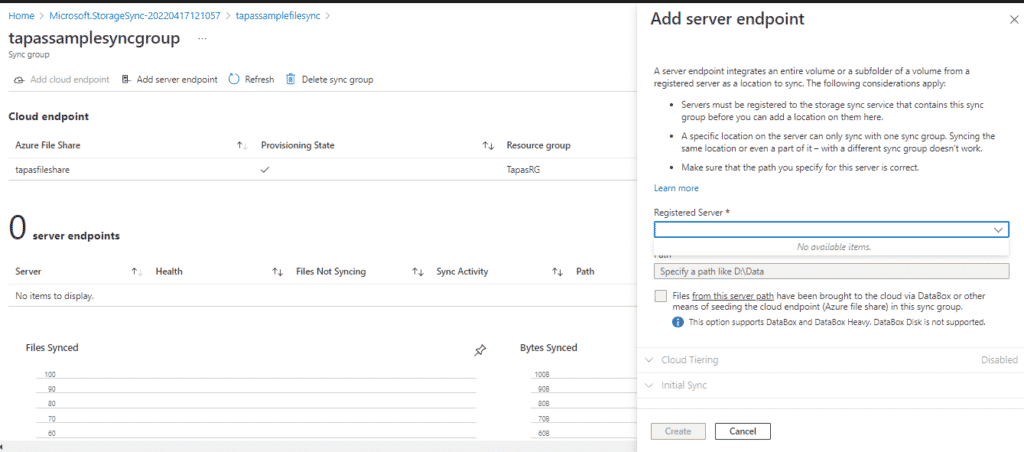
Finally, you need to add a server endpoint page. You can select your server on the Registered Server drop down menu and enter the path to sync the cloud.