Routing in ASP .Net MVC | CodeGuru

Routing in ASP .Net MVC

Routing is a pattern matching system which identifies the incoming request and decides what to do with that request. So the usual process will be carried out by this mechanism is that it maps the URL to a particular method (action) on a particular controller. The actions gets executed and returns an instance of ActionResult […]

Written By
CodeGuru Staff
CodeGuru Staff
Oct 15, 2014
1 minute read
CodeGuru content and product recommendations are editorially independent. We may make money when you click on links to our partners. Learn More

Routing is a pattern matching system which identifies the incoming request and decides what to do with that request. So the usual process will be carried out by this mechanism is that it maps the URL to a particular method (action) on a particular controller. The actions gets executed and returns an instance of ActionResult which handles the logic for rendering the HTML content in user’s browser.

At run time the routing engine matches the incoming request URL pattern against the URL patterns defined in the Route table and process that accordingly.

Defining Route

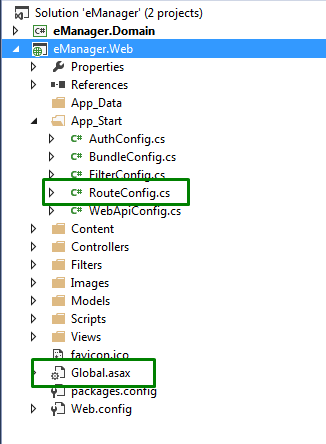
A typical MVC project defines a ‘Global.asax’ file, which contains a single method ‘Application_Start’ within which various calls are made to various configuration methods to set up the application’s working state. One of these calls is to the ‘RegisterRoutes’ method of the ‘RouteConfig’ class found in the ‘App_Start’ folder of the project which is responsible for configuring the routes for the application.
CodeGuru Logo

CodeGuru covers topics related to Microsoft-related software development, mobile development, database management, and web application programming. In addition to tutorials and how-tos that teach programmers how to code in Microsoft-related languages and frameworks like C# and .Net, we also publish articles on software development tools, the latest in developer news, and advice for project managers. Cloud services such as Microsoft Azure and database options including SQL Server and MSSQL are also frequently covered.

Property of TechnologyAdvice. © 2026 TechnologyAdvice. All Rights Reserved

Advertiser Disclosure: Some of the products that appear on this site are from companies from which TechnologyAdvice receives compensation. This compensation may impact how and where products appear on this site including, for example, the order in which they appear. TechnologyAdvice does not include all companies or all types of products available in the marketplace.